The Kit That Earns Its Keep: What Deserves a Place in Your Gym Bag
Every gym bag has a shadow zone. It is the place where hopeful purchases go to live: the copper sleeve bought after a dodgy elbow, the massage gun that seemed essential at the time, the posture brace that has never been worn outside the house. Some of this kit is useful. Some is expensive comfort. The trick is telling the difference before your bag starts to smell like a boot sale.
This is a triage list, not a shopping spree. The criteria are simple: does the item solve a real problem, is it cheap or compact enough to justify the space, and is the evidence at least plausible rather than pure marketing? Here are seven items that generally earn their place — and three that can stay at home.
The seven that earn their place
1. Zinc oxide tape
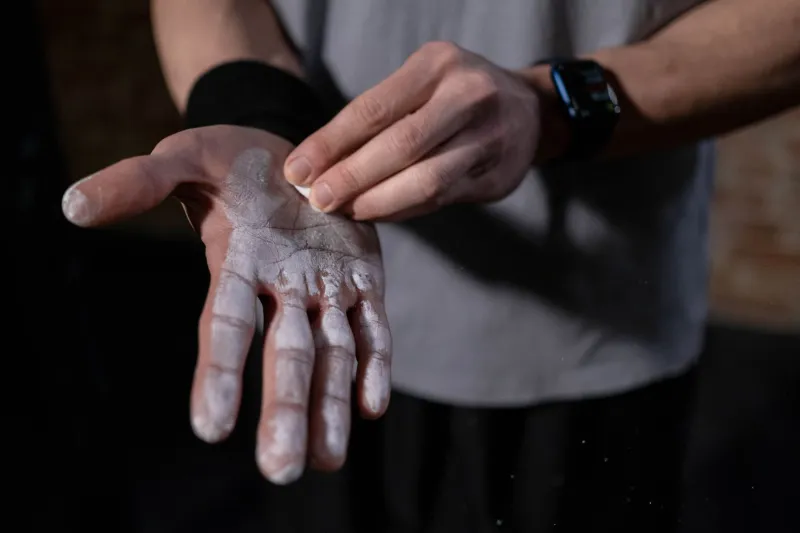
A roll of 38mm zinc oxide tape costs about £4 and covers a surprising number of jobs: blister hotspots, chafing, a thumb that needs a bit of reassurance during hook-grip work, or a known irritable wrist that likes light support. The evidence for taping as an injury-prevention strategy is modest and very specific, so do not treat it as armour. Treat it as cheap insurance for a problem you already understand.
Verdict: useful, compact, buy it.
2. A mini resistance band
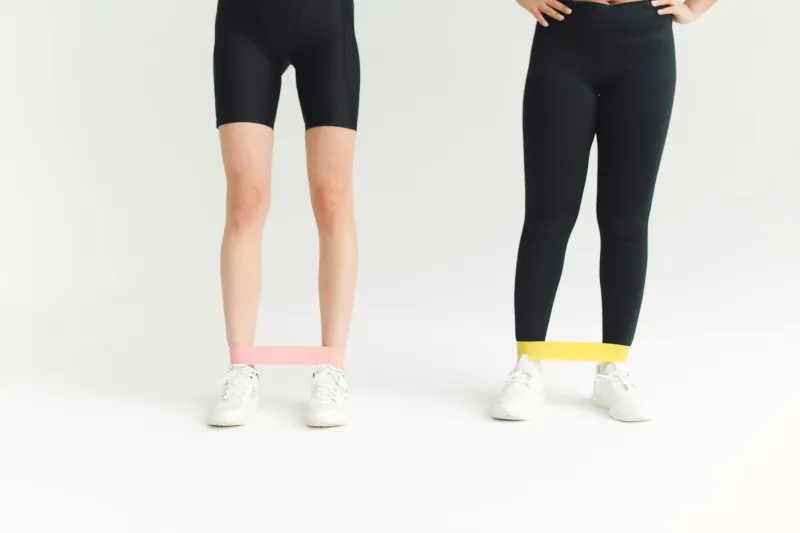
A loop band takes up less space than a protein bar and is genuinely handy for glute activation, shoulder warm-ups and low-load rehab exercises. It will not build meaningful strength on its own, but as a warm-up tool it has a clear job. Get a light and a medium band rather than one very heavy band you cannot use properly.
Verdict: cheap, versatile, earn.
3. A lacrosse ball
For targeted self-massage, a lacrosse ball is hard to beat on value. It is firm enough to get into the glutes and upper back, small enough to carry, and costs less than a pint in most UK cities. The evidence for myofascial release is not exactly ironclad, but as a short, tolerable way to reduce perceived tightness before or after training, it is a sensible tool.
Verdict: earn, with realistic expectations.
4. A compact foam roller
If you actually use it, a short foam roller earns its space. If it lives in your bag as a symbol of recovery intentions, it does not. Research generally shows small, short-term improvements in soreness and range of motion, not dramatic recovery magic. Use it for a few minutes on the areas that feel stiff, not as a 40-minute ritual.
Verdict: conditional earn.
5. A massage gun
Massage guns are popular for a reason: they feel nice and they are easy to use. The evidence points towards modest short-term reductions in soreness and improved perceived recovery, but not a meaningful performance boost. If you like it, use it. If you are buying one to fix a chronic problem, spend the money on a physio assessment instead.
Verdict: conditional earn, especially for people who actually enjoy using it.
6. Knee sleeves
For lifters with cranky knees, a pair of neoprene sleeves can provide warmth, a bit of proprioceptive feedback and confidence under the bar. They are not a cure for patellofemoral pain and they do not prevent injury by themselves. But as a comfort tool for heavy squat days, they are reasonable.
Verdict: earn if you have a specific use case.
7. An instant cold pack
A reusable gel pack or instant cold pack is cheap first aid for the occasional knock, rolled ankle or angry elbow. Cold therapy is not the recovery panacea it was once sold as, but for acute bumps and bruises it is a sensible thing to have nearby. Keep it in the car or the bottom of the bag, not on your mantelpiece.
Verdict: cheap insurance.
The three that can stay at home
Copper-infused compression sleeves
The marketing promises reduced pain and faster recovery. The evidence is far less exciting. Compression may help some people feel more comfortable during or after exercise, but the copper part is largely a branding exercise. A normal sleeve is cheaper; a proper assessment is more useful.
Posture corrector braces
Passive braces do not fix posture. They may remind you to sit up for ten minutes, but they do not build the strength or control that actually changes how you move. If posture is a genuine issue, spend the time on upper-back strength, shoulder mobility and sensible desk setup instead.
Detox foot patches
They do not draw toxins out of your body. Your liver and kidneys already have that job. Save the money and buy a better pair of socks.
Build the compact kit
A sensible gym bag setup is small: tape, a light band, a lacrosse ball, a compact roller if you use it, and a cold pack. Add a massage gun only if you genuinely like it. Everything else should have to justify its space. The best kit is not the biggest kit — it is the one you actually use without turning pre-training into a faff.