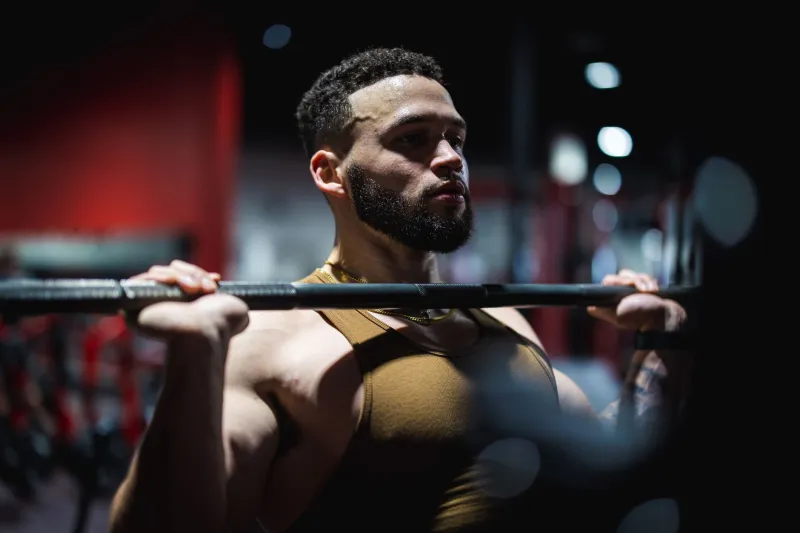
The Quiet Signal: Why Your Grip Tells You More Than Your Smartwatch
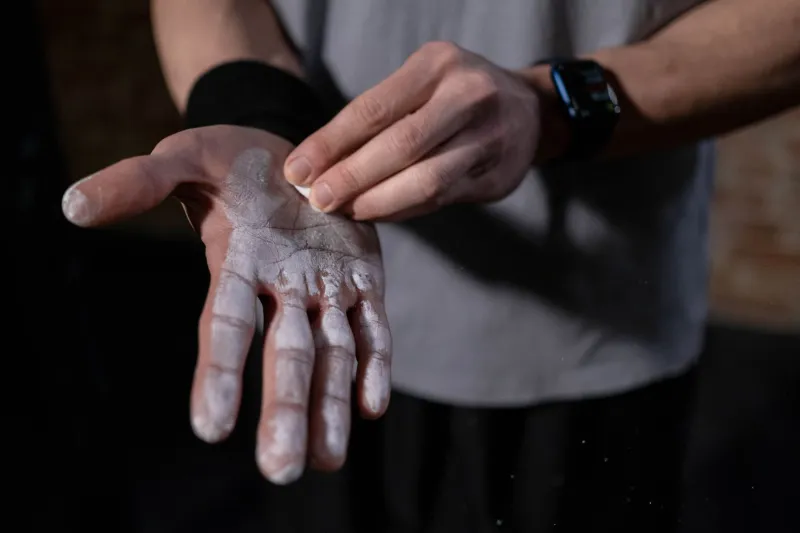
Grip strength has an image problem. In gym culture it is often treated as either a flex for heavy deadlifts or an afterthought tacked onto the end of a session. In sport, it is the thing that fails when the ball is wet, the bar is cold or the opposition is stronger in the tackle. But there is a quieter use for grip that more UK athletes should pay attention to: it can act as a simple readiness marker.
That does not mean your grip is a magic window into your nervous system. It is not. But it is a cheap, repeatable measure of how well you are expressing force, and it tends to dip when sleep, stress, illness or accumulated fatigue are biting. At Total Performance Fitness, we like tools that are useful without becoming another full-time job. Grip fits that brief.
What the evidence actually says
Grip strength is one of the most researched physical measures in the world, partly because it is easy to collect. Large population studies have linked low grip strength with poorer health outcomes in older adults, but that does not mean a weak grip causes those outcomes. In athletic settings, the story is more modest and more useful: grip strength tends to correlate with overall upper-body strength, and it is sensitive to fatigue.
That matters. If your grip is consistently down, it may be a sign that you are under-recovered, not that your forearms have suddenly become weak. Research on neuromuscular fatigue shows that grip performance can drop after demanding training, and it often recovers alongside the rest of you. Grip is also highly trainable, so a low score is rarely a life sentence.
The caveat is important. Grip strength is not a diagnosis. It is a trend. One bad reading after a late night or a cold walk to the gym means very little. A pattern over two or three weeks is worth investigating.
Why it matters for UK athletes
Think about the sports we play here. Rugby demands grip for tackling, mauling and carrying. Rowing is essentially a grip-endurance sport once the legs and trunk have done their job. Climbing and bouldering are obvious. Hockey players need stick control in the cold and wet. Combat athletes live and die by their hands. Even runners and cyclists benefit from a stronger upper body and better tolerance for carrying loads, especially when training blocks get heavy.
For committed gym-goers, grip is often the limiting factor in deadlifts, pull-ups and carries. That can cap training volume and make sessions feel harder than they need to. If your grip fails before your back or legs do, you are not really testing your strength. You are testing your hands.
There is also a durability angle. A grip that fatigues quickly can change technique in carries, rows and pulling movements. That is not automatically an injury, but it is a warning that the supporting structures are working harder than they should.
Three field tests you can do at a leisure centre
You do not need a laboratory. A pull-up bar, a pair of dumbbells and a stopwatch will do most of the work.
1. Dead hang for time. Use an overhand grip on a pull-up bar. Hang with straight arms, shoulders gently active, no kipping. Stop when your grip fails or your form changes. Record the time. This is a simple test of grip endurance and shoulder tolerance.
2. Farmer carry for distance or time. Load a pair of dumbbells or kettlebells to roughly 25% of your bodyweight per hand, or a load you can control. Walk 30-40m with tall posture. Note the load, distance and any asymmetry. If one side gives up early, write it down.
3. Bar squeeze or dynamometer. If your gym has a hand dynamometer, use it consistently: same hand, same position, same time of day. If not, squeeze a fixed bar or a rolled towel and note how it feels relative to your baseline. A simple 1-10 rating is better than nothing, but a measured load or time is more useful.
Test at the same time of day, with the same bar and the same warm-up. Cold hands will affect the result, so warm up properly in winter. Do not test after a heavy pulling session and compare it to a fresh morning.
Reading the numbers without spiralling
Build a baseline over three sessions, not one. Then look at the trend. A drop of more than 10% from your personal baseline is worth noting. It does not mean you should cancel your session. It means you should check in: sleep, stress, illness, travel, alcohol, a heavy week at work, a new training block. If two or three markers are down, adjust the session. Reduce volume, keep the quality, and move on.
Asymmetry is another useful flag. If one hand is consistently more than 10% weaker on a carry or hang, it is worth mentioning to a coach or physio, especially if you have a history of wrist, elbow or shoulder issues. It is not a diagnosis, but it is a conversation starter.
Remember that grip fluctuates. Hydration, temperature, chalk, bar diameter and even how much you have been typing can nudge the numbers. Use grip as one data point among several, not as a standalone verdict on your readiness.
Programming that fits an already full plan
Most athletes do not need a dedicated grip day. Two short exposures per week are enough for general durability, and they can sit at the end of a session in 5-10 minutes.
For maximal grip, use heavy carries and hangs. Try farmer carries for 3 x 30-40m with a load that makes the last 10m honest. Add dead hangs for 3 x 20-40 seconds. For grip endurance, extend the hangs or carries, or use a towel over the bar for pull-ups. For sport-specific work, think about the hand position you actually use: rugby players can use towel pull-ups, rowers can hold a bar for time, climbers can use pinch blocks, and combat athletes can add rope work.
Progressive overload is simple: add 5 seconds to a hang, 2.5kg to a carry, or one extra set every week or two. Do not train grip to failure every session. If heavy deadlifts are already smashing your hands, reduce the extra grip work and use straps on your heaviest sets so that your back and legs get the training stimulus. Then train grip separately. That is not cheating. It is programming.
Do not overcomplicate it
Grip strength is a useful marker because it is simple. Keep it that way. One bar, two dumbbells, a towel and a stopwatch will take you a long way. Test occasionally, train it twice a week, and pay attention when it drops for no obvious reason. Your hands might be telling you something your smartwatch has not noticed yet.