The Friday Pint Protocol: Keep the Social Life, Protect the Training Week
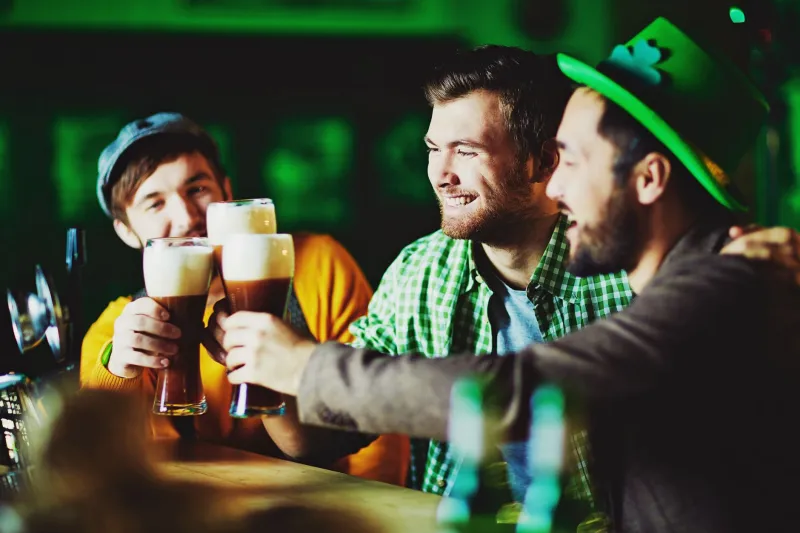
You can have a social life and train like an athlete. The trick is not abstinence; it’s sequencing. Britain’s pub culture is built around spontaneity — the after-work pint that becomes three, the Friday session that rolls into a taxi home at midnight, the Sunday roast that quietly removes any desire to move. None of that has to derail a well-run training week, but it will if you leave it to chance. The athletes who keep progressing are rarely monks. They’re just better at planning the messy bits.
What alcohol actually does to your training
Let’s keep this proportionate. A single pint is not going to erase your squat PB. The issue is the pattern: late nights, disrupted sleep, dehydrated mornings and a next-day appetite that points straight at a bacon roll and a lie-in. Alcohol can reduce sleep quality, especially REM sleep, and that matters because recovery, mood and decision-making all take a hit when sleep is fragmented. It can also affect hydration and muscle protein synthesis, which is a fancy way of saying your body’s repair process may not run quite as smoothly after a heavy night. None of this means you need to become a hermit. It means you should treat alcohol as something that has a cost, then decide when you’re happy to pay it.
Put the key sessions first
The simplest way to protect your training is to build your social life around the sessions that matter, not the other way round. Look at your week and flag the two or three sessions you genuinely care about: the heavy lower-body day, the interval session, the long run, the parkrun you’re racing rather than jogging. Those are your non-negotiables. Everything else can flex.
If you’ve got a hard Saturday morning session, Friday is not the night for a five-pint tour. If you’ve got a Wednesday threshold run, Tuesday’s after-work drinks need a ceiling. This isn’t about being boring. It’s about choosing where the compromise lands. A Sunday roast with friends after a Saturday long run is a brilliant recovery meal. A Saturday night blowout before a Sunday long run is a recovery own goal.
Four rules for timing drinks around training
1. Protect the 24 hours before a key session
If you’re training hard tomorrow, keep tonight modest. A couple of drinks, plenty of water and a sensible finish time will usually leave you functional. The bigger issue is the knock-on: late food, poor sleep and a rushed morning. Decide your stop time before you leave the house, not at 11pm when someone suggests one for the road.
2. Don’t bank calories with hunger
Skipping lunch to save calories for beer is a classic own goal. It makes you hungrier, lowers your resolve and leaves you poorly fuelled for training. Eat a proper meal with protein before you go out. Something like chicken, rice and veg, or eggs on toast, is not glamorous but it does the job.
3. Alternate and hydrate
A pint, then a soft drink, then a pint is a simple pacing strategy that works. It slows you down, cuts total intake and keeps you hydrated. If you’re in a round, order a lime and soda or an alcohol-free beer. The UK now has a genuinely good range of low- and no-alcohol options, so you’re not stuck with tap water and a sad face.
4. Refuel before you drink after training
If you’ve just finished a session, get protein and carbs in first. A pint after a race is a lovely ritual, but it shouldn’t be your only recovery nutrition. Have a proper meal or a shake, then enjoy the drink. Your muscles will thank you, and you’ll be less likely to demolish a kebab on the walk home.
The post-pint appetite trap
Alcohol loosens the reins on appetite. It doesn’t just make you hungrier; it makes fast food more appealing and portion control less interesting. The result is often a late-night takeaway that adds more calories than the drinks themselves. You don’t need to be perfect here. You need a plan.
Eat a protein-rich meal before heading out. Keep a sensible late-night option at home — Greek yoghurt, cereal and milk, toast with peanut butter — so you’re not relying on willpower at midnight. If you do end up with chips, don’t spiral. One meal doesn’t ruin a week. What ruins a week is the all-or-nothing response: writing off the next day, skipping the session you could have done, then feeling guilty and repeating the cycle.
The morning after: salvage, don’t punish
If you wake up rough, don’t turn a hangover into a punishment workout. Heavy squats and intervals are a bad idea when you’re dehydrated and sleep-deprived. You’re more likely to move badly and less likely to get a useful training stimulus. Instead, go for a walk, do some easy mobility, drink water with electrolytes and eat something with protein and carbs. If you have a key session, move it if your schedule allows. If you can’t move it, accept that it may be a lower-quality session and adjust the load. Chasing a PB on a hangover is not toughness; it’s just poor planning.
Keep the social life, lose the write-off
The goal is not to never drink. The goal is to stop letting a Friday pint quietly become a lost weekend. Choose your events, set a ceiling, eat properly, hydrate and protect the sessions that matter. Use alcohol-free options when you’re not bothered. Book the earlier dinner. Suggest a Sunday lunch instead of a Saturday night. Host at home where you control the pace. None of this is revolutionary. It’s just a plan.
You don’t need to choose between the pub and progress. You need to decide what you’re willing to trade, and when. A social life is part of a sustainable training life, not a threat to it. Keep the pints you actually want, skip the ones you don’t, and train the next day like someone who knows what they’re doing.